Background
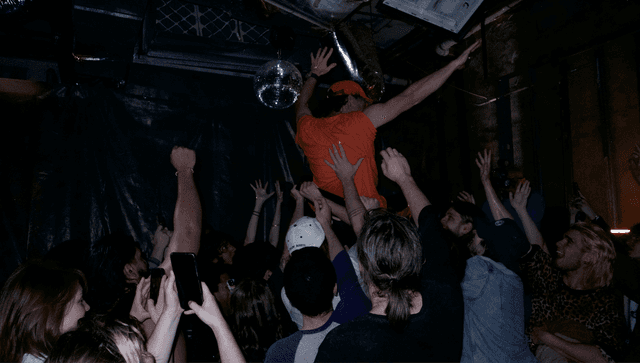
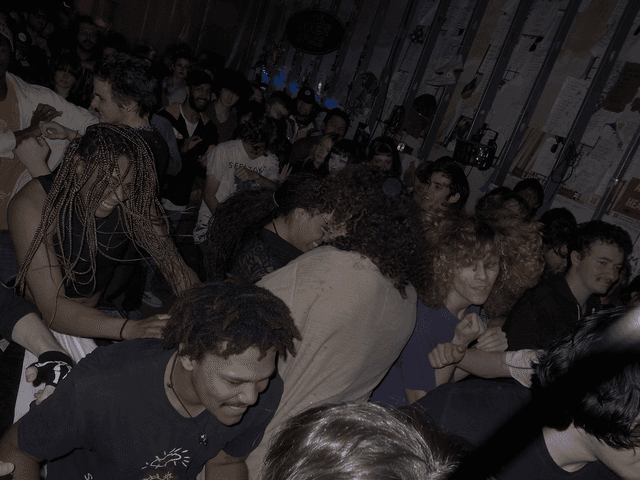
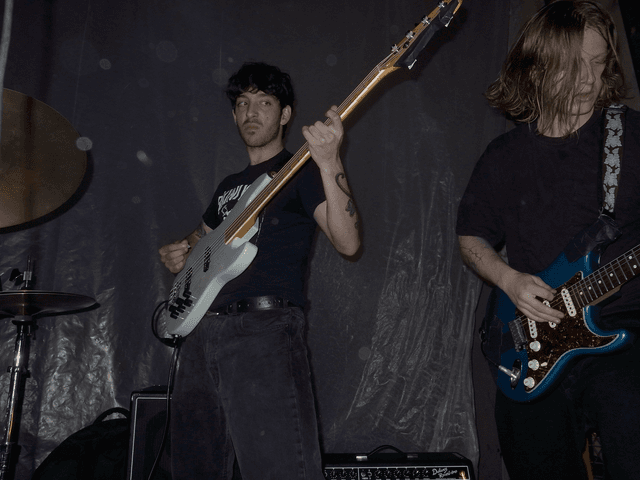
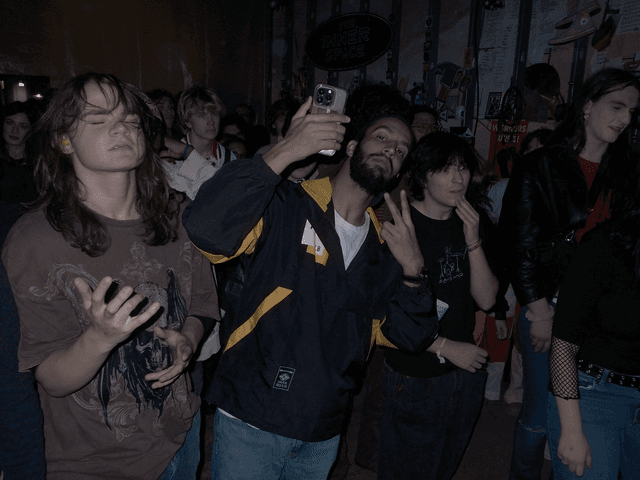
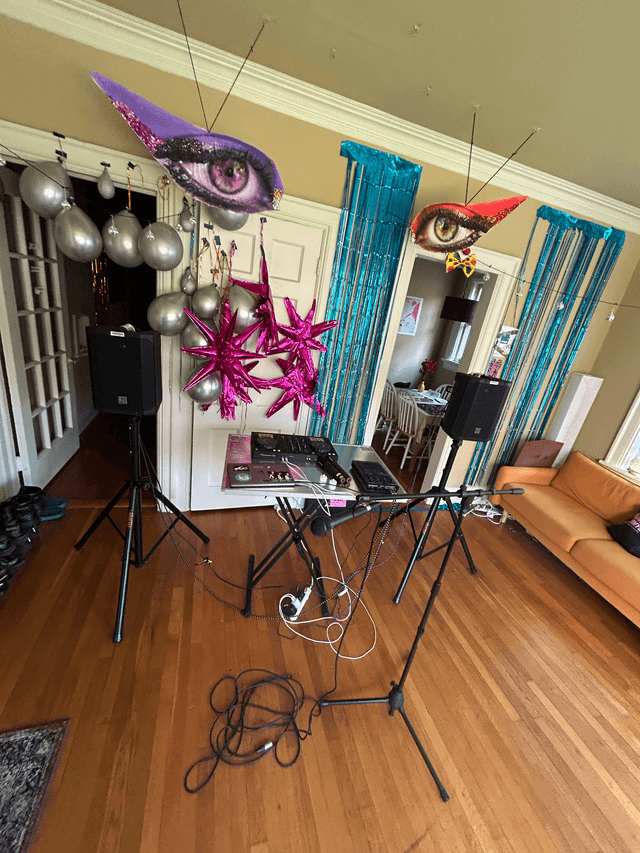
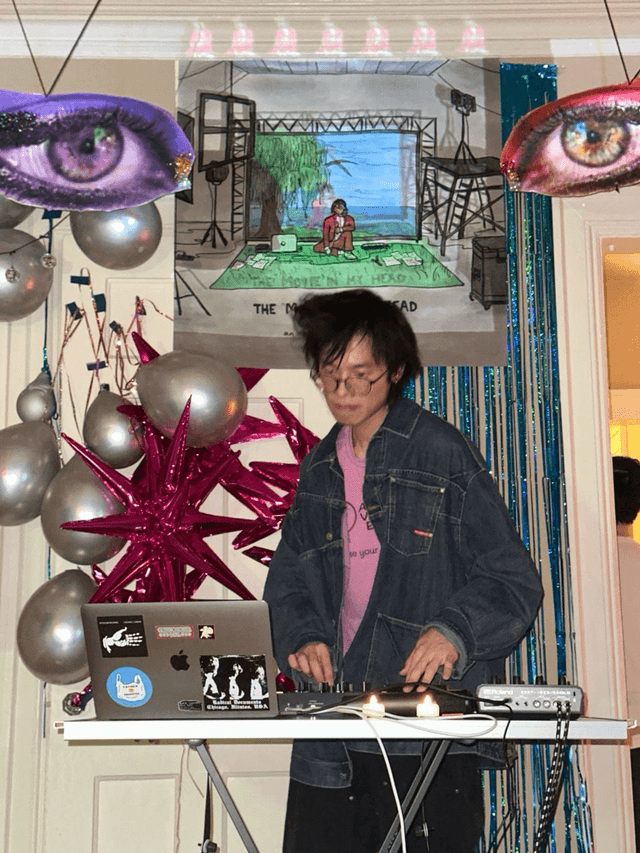
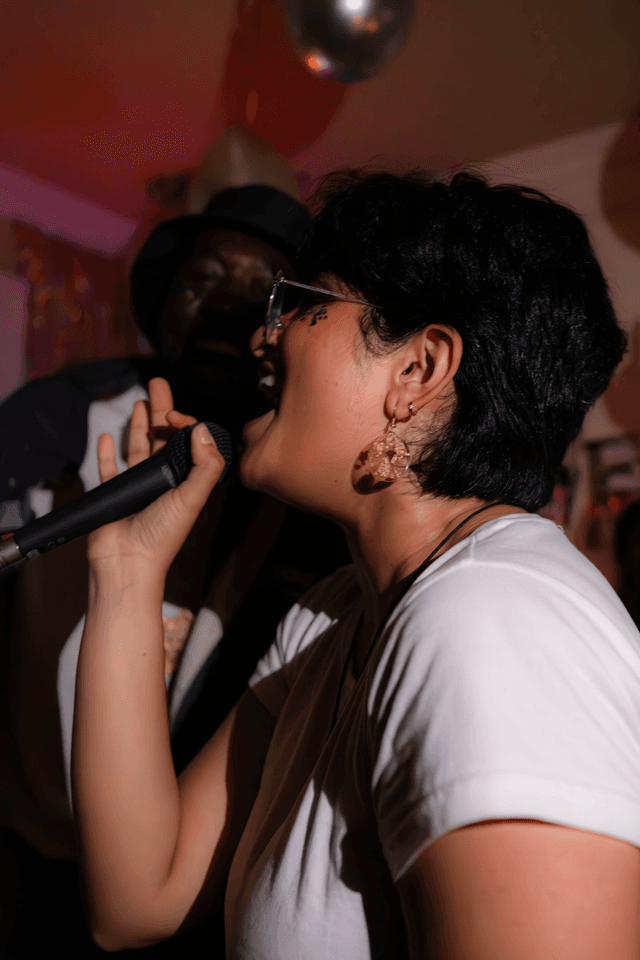
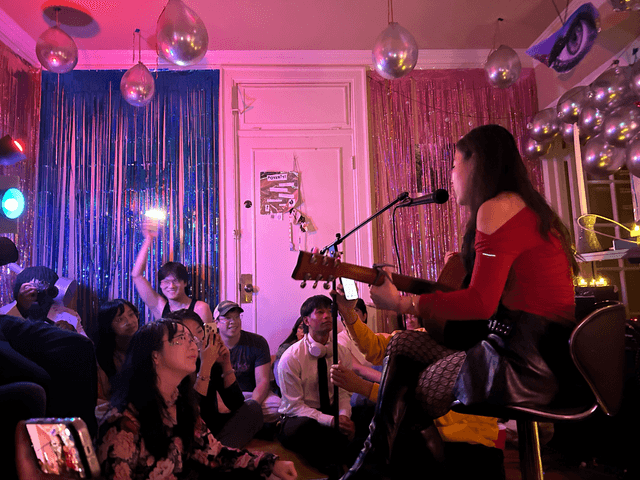
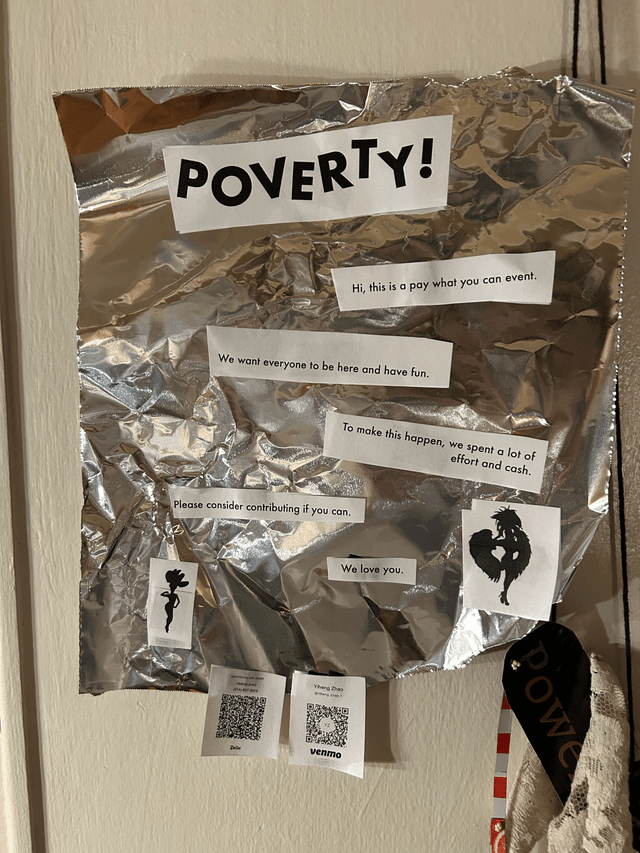
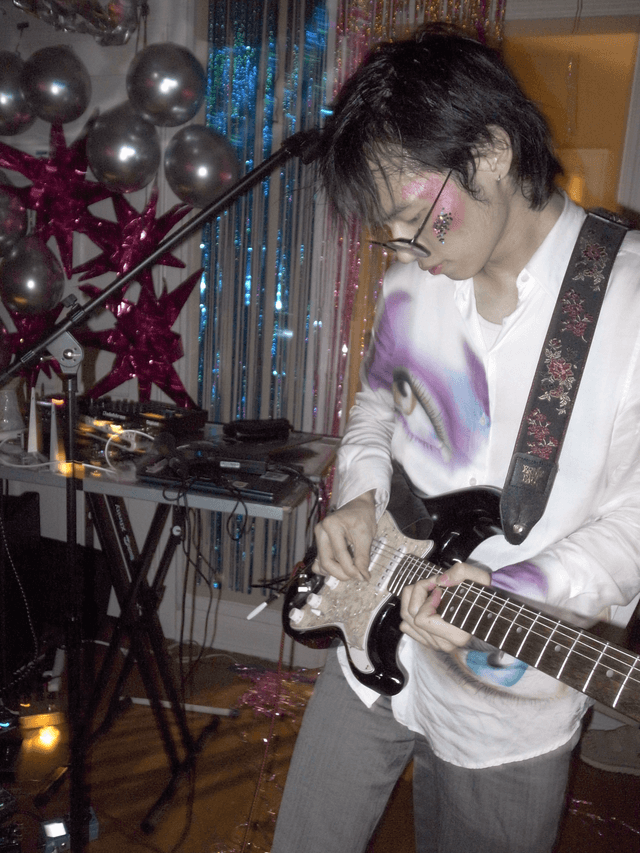
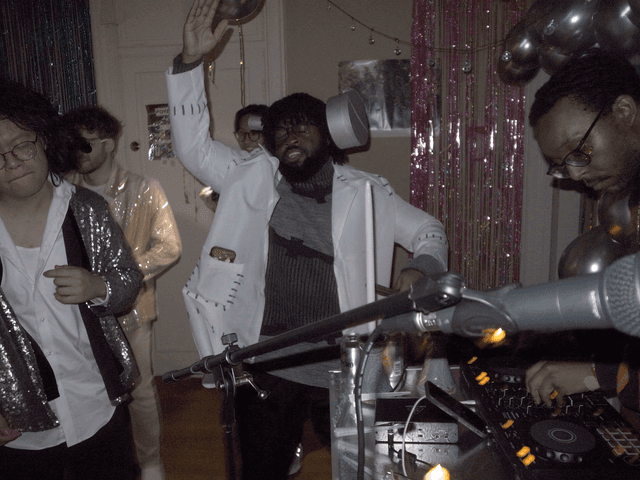
The DIY (do-it-yourself) music scene is comprised of a grassroots network of musicians, artists, audience members, organizers, and promoters all operating under the ethos of self-reliance and making the most out of the resources they have as well as the notion of mutual benefit over personal gain.
Through the reliance on informal infrastructures such as private houses, personal connections, and shared music equipments, the DIY scene is able to obtain certain level of autonomy from corporate power, while also being vulnerable to uncertainties operating without structured tools.
Our project aims to understand the current practices and pain points of DIY show organization, and prototype a tool that supports the sustainability of the DIY music scene.
Research
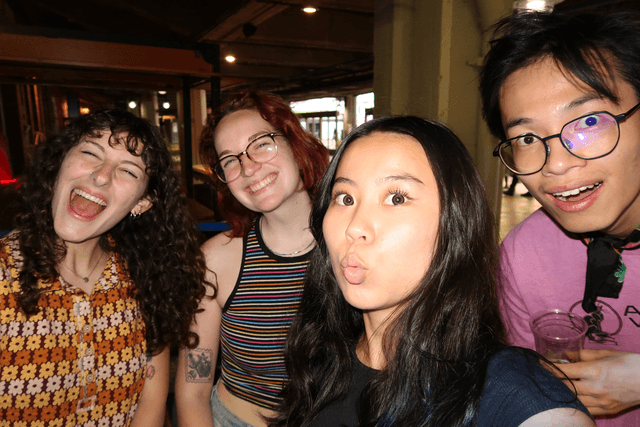
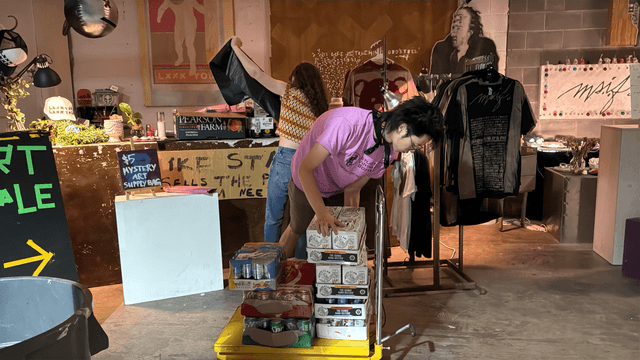
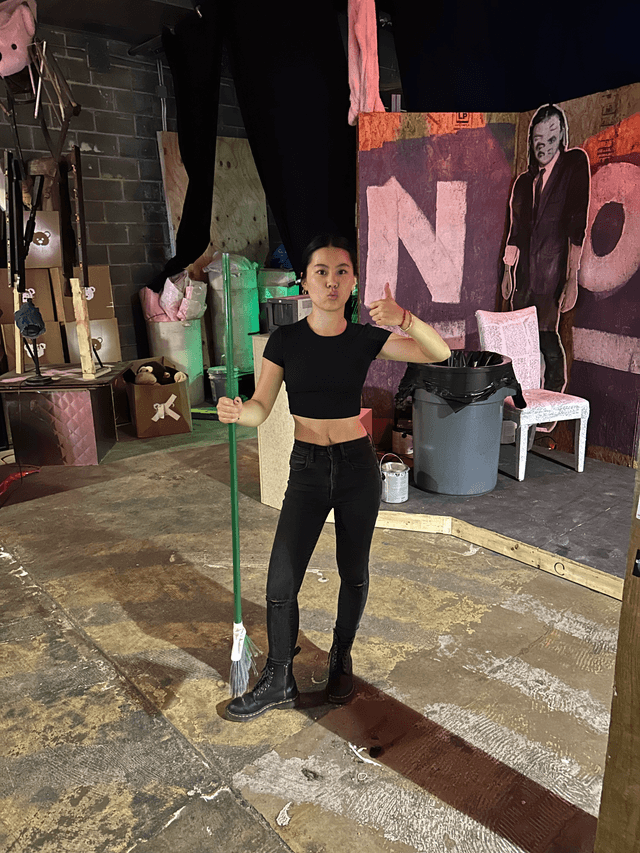
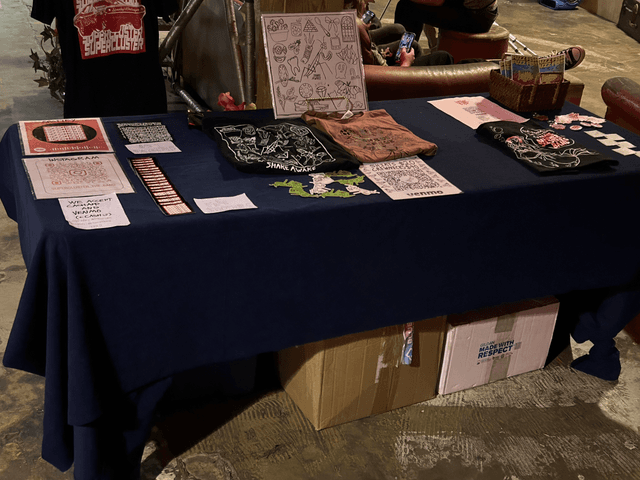
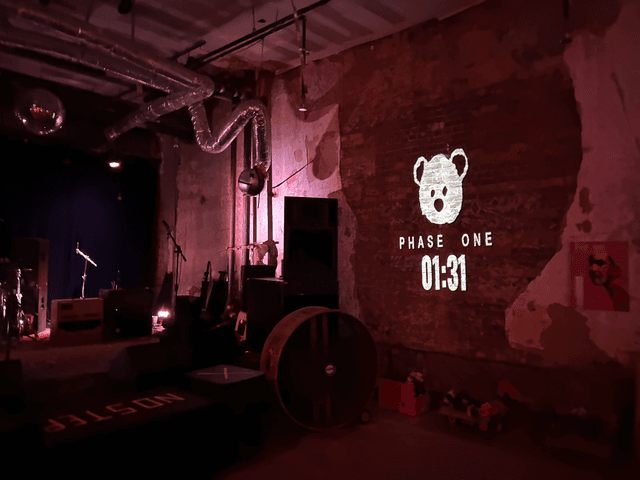
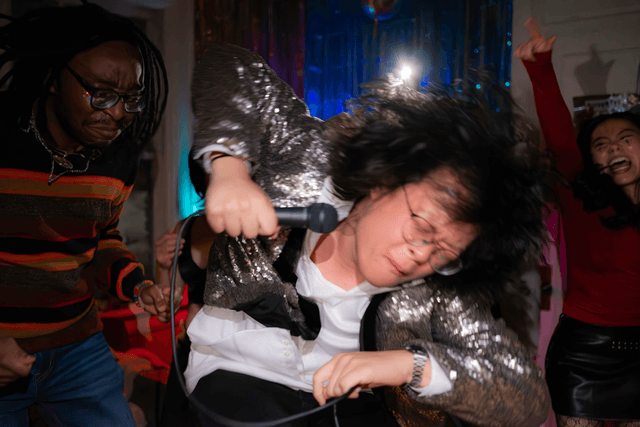
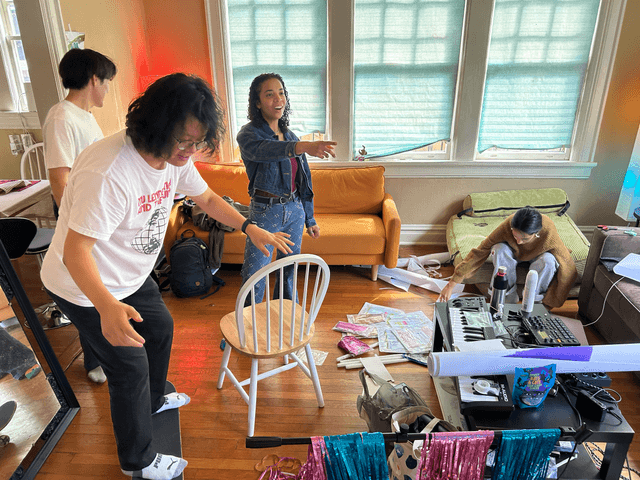
We conducted research with 20 venue organizers, artists, and audiences across 15 semi-structured interviews, 1 participatory observation, 2 auto-ethnographies, and 2 co-design workshops, as well as competitive analysis of 22 existing systems.
We syntheized our research through affinity map, journey map, and market positioning map to identify overall practice and key pain points.
Findings
Different roles morph into each other.
In the DIY scene, participants often take several roles. Many audiences at shows often play in their own bands. Audiences, artists, and venue organizers also frequently take similar actions. For example, all three of them research bands in the local areas to either find shows or set up shows. Our design needs to targte these actions that are useful for all roles.
Insufficient digital discovery tools.
Currently, discovery of local shows and bands heavily relies on word-of-mouth and social media platforms like Instagram. However, these platforms are not optimized for discovering local DIY shows, leading to missed opportunities for audiences, artists, and organizers. Our design needs to provide better discovery mechanisms.
Communication disconnections.
Communication between different roles in the DIY scene is often fragmented and inefficient. For example, artists may struggle to find reliable venues, while organizers may have difficulty coordinating between bands. Our design needs to facilitate better communication channels among all participants.
Social networks are core infrastructures.
The DIY scene heavily relies on social networks for organizing shows, sharing resources, and building communities. These networks often operate informally through personal connections and word-of-mouth. Our design needs to reflect and strengthen the organic social networks to support the sustainability of the DIY scene.
Team
Allen Cai
acai33@gatech.edu
Ethan Zhao
yzhao850@gatech.edu
Emily Zhou
ezhou47@gatech.edu
Advised by Dr. Michael Nitsche
digital world & image group
Supported by GT Arts Microgrant